
Mosko: Garden Grove Was a Warning, San Onofre Is the Test
In Garden Grove, the threat from a tank holding roughly 7,000 gallons of a common hazardous industrial liquid — about one-third the volume of a typical backyard swimming pool — was enough to force the evacuation of a reported 50,000 residents, close schools and roads, open emergency shelters, and mobilize a massive public-safety response.
How could loosened radiation exposure rules affect public health?
A proposed rule from the Nuclear Regulatory Commission (NRC) would ease the standard for low-dose radiation exposure. The NRC argues the change will bring more clarity to the nuclear industry, but the health effects of this rule on the public are not so clear. And if the change takes effect, then people living near nuclear facilities could be exposed to higher doses of radiation than they are currently.
A Reply to Another Carefully Worded Defense of Nuclear Power
Blakeslee testified that when PG&E discovered, based on the available seismic data, that the earthquake faults around the plant could generate a level of ground motion more than twice as powerful as what the plant’s safety components were designed to withstand, the utility simply changed the “damping coefficient” – altering the numbers to make the problem go away on paper.
Radiation Exposure Rule Changes to Increase Cancer Rates
Among the hundreds of Trump White House executive orders (EO), No. 14300 directs the Nuclear Regulatory Commission (NRC) to weaken its long-standing radiation exposure rule, “Standards for Protection Against Radiation.
Trump Sweetens the Nuclear Energy Pot, But Will Anyone Play?
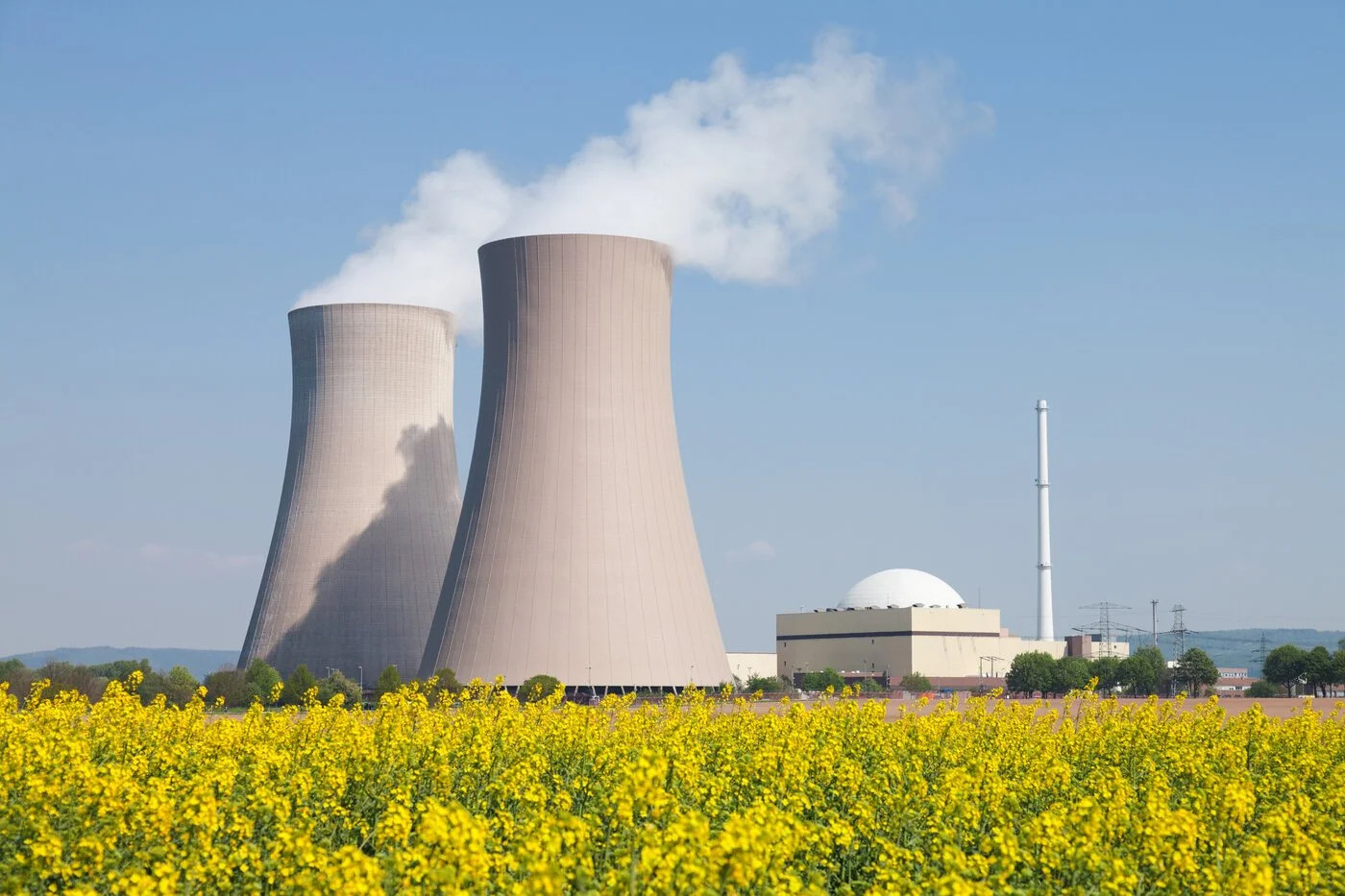
Last week, the Trump administration announced it is offering $17.5 billion in financingto build five new two-reactor nuclear power plants featuring Westinghouse Electric’s AP1000 large reactor. The offer comes on the heels of last November’s Trump announcement of an $80 billion dealwith Westinghouse intended to jump-start a fleet of new US reactors
The Trump administration’s reckless attack on radiation protection will have long-term consequences for public safety
President Donald Trump’s decision to bring independent regulatory agencies under White House control and to fire the NRC’s chairman ended the commission’s resistance. On July 2, 2025, an anonymous NRC spokesperson enthused in a social media post that the Executive Order reforming the NRC “gives us a chance to reconsider our radiation protection framework in support of the whole-of-government effort to safely enable the nation’s use of nuclear power.”

The Big Tech Campaign to Fast Track Nuke Energy. Senators Whitehouse and Booker Take the Lead in Congress
The Trump administration greenlit TerraPower to begin construction of its first plant in March, nine months ahead of schedule. The company credited Trump’s May executive orders and bipartisan reforms that Third Way and its partners helped create for the rapid timeline. Experts, such as Union of Concerned Scientists director of nuclear power safety Edwin Lyman, excoriated TerraPower’s rapid approval, noting the NRC itself conceded the reactor had unresolved safety issues in its reviews.
Linda Pentz Gunter on the Case Against Nuclear Power
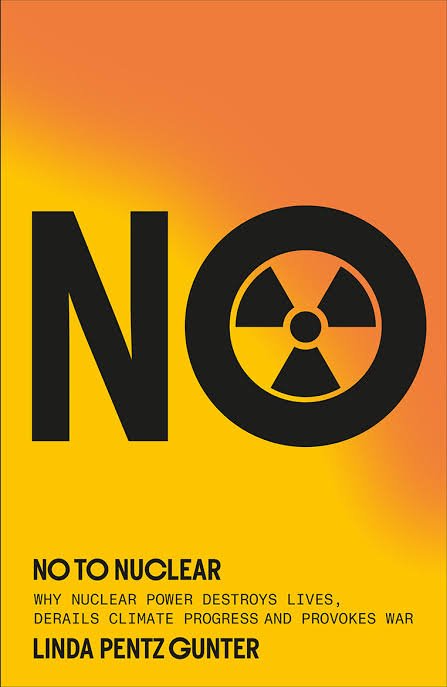
The book is a 200-page indictment of the nuclear power industry and shatters the myth that nuclear power will help solve the climate crisis.